Stolen Vehicle Arrest Downtown

Santa Barbara Independent
May 1, 2026
You know that sinking feeling when you walk back to where you parked downtown and your car is just… gone? It happened to someone in Santa Barbara this week, but thanks to some sharp morning work by our local police, it had a much happier ending than usual. According to the *Santa Barbara Independent*, officers were dispatched to City Lot just after 9:20 a.m. on May 1st and quickly made an arrest in connection with a stolen vehicle. It’s a good reminder that our downtown lots—from the ones near State Street to the hidden gems by the courthouse—are being watched, even during that sleepy mid-morning lull.
What I love about this story isn’t just the quick collar—it’s the quiet reassurance that our community’s daily rhythm is being protected. We all know that parking downtown can feel like a competitive sport, especially during Fiesta or Farmers Market season. But knowing that our officers are on the ball, even for a routine call like this, makes that walk back to your car feel a little safer. So next time you’re grabbing coffee at Lighthouse or a pastry from Renaud’s, give a little nod to the folks keeping our streets secure. And maybe double-check your doors are locked—it’s a small act that keeps our community strong.
This summary was written by AI based on the original article from Santa Barbara Independent.
City
Santa BarbaraPublished
May 1, 2026
AI-curated summary from local news sources
Explore Santa BarbaraAll Santa Barbara NewsMore News from Santa Barbara
 Santa Barbara
Will We Destroy the Planet That Sustains Us?
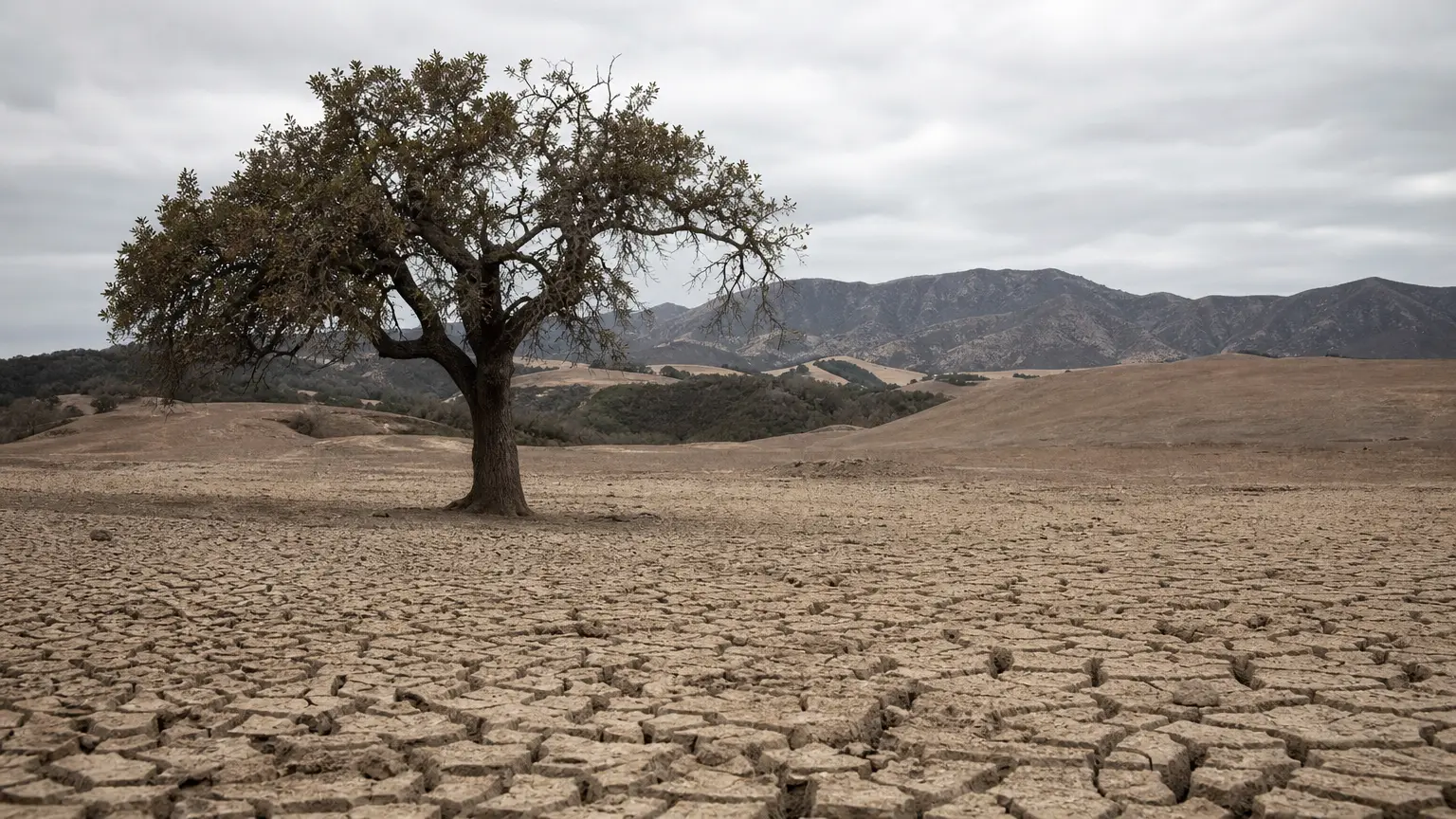
Climate change isn't just a distant headline anymore—it's here, in our backyard. A recent piece in the Santa Barbara Independent reminds us that the warming planet is acting as a 'force multiplier,' intensifying everything from wildfire seasons to coastal erosion along the 805. For us on the Central Coast, that means longer droughts, tougher farming conditions, and a more fragile local ecosystem. It's not just an environmental story; it's a community resilience story. We've seen it firsthand—the Thomas Fire, Montecito mudslides, and now hotter summers that test our power grid. This isn't about doom-scrolling; it's about local action. Whether it's supporting sustainable agriculture in Santa Ynez or advocating for smarter water use in Ventura, our choices shape the future. The Independent's piece is a call to notice how everything connects—our air, our ocean, our food. Let's not wait for the next crisis to act.
 Santa Barbara
A Tale of Two Villages
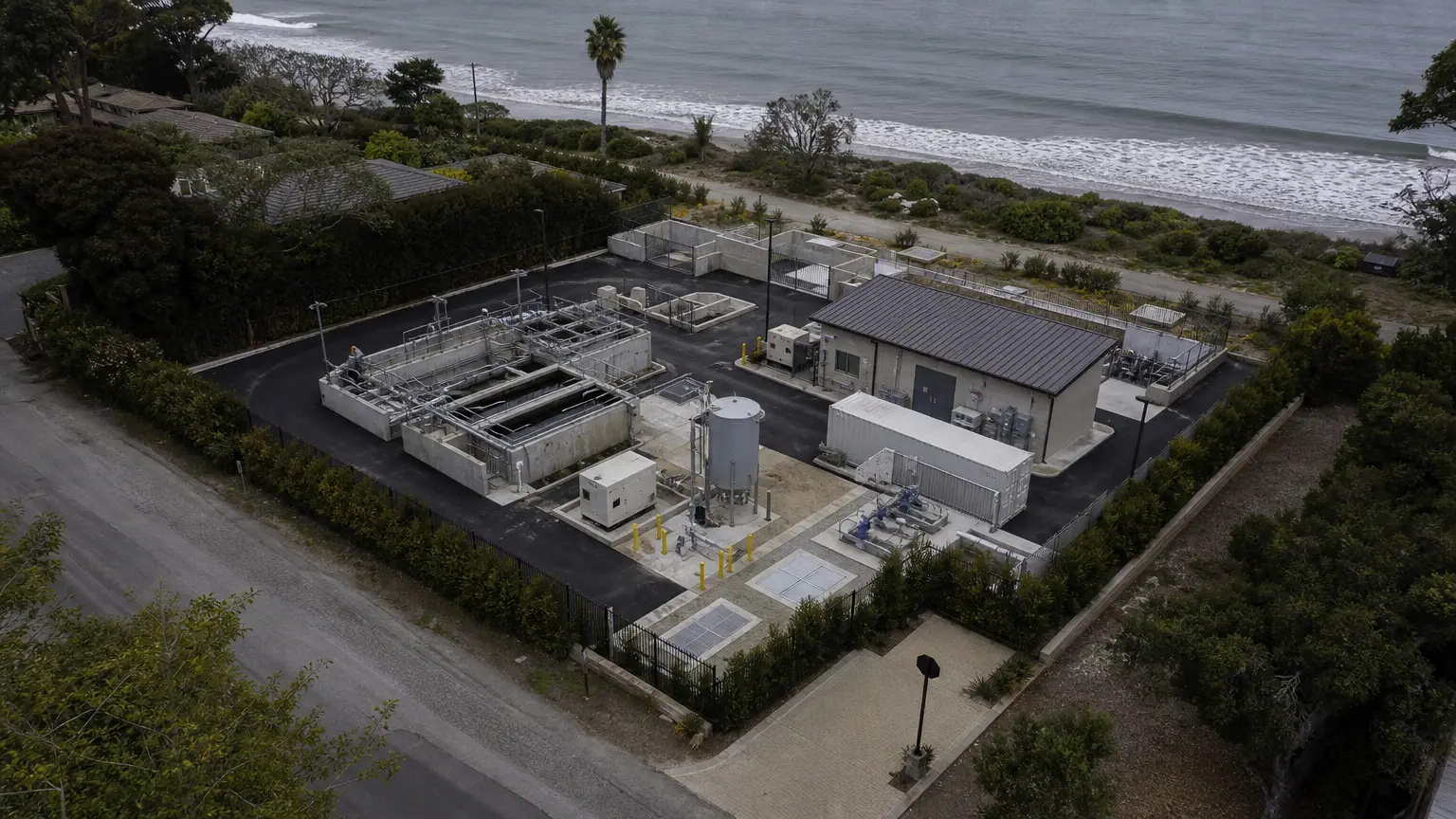
You might not think twice about the sewage plant on Padaro Lane, but beneath it lies a story that stretches back thousands of years. That facility sits atop Helo', once one of the largest Chumash villages on the South Coast — a sacred site that was paved over without recognition. Now, the proposed Mishopshno ocean protection area off Padaro and Summerland offers a chance to honor what remains. As reported by the Santa Barbara Independent, this marine sanctuary would protect the coastal waters that sustained the Chumash for generations, turning a story of loss into one of preservation. For those of us who live here, this isn't ancient history — it's a living legacy. The Chumash people are still here, and their cultural sites are part of our shared landscape. Supporting Mishopshno means acknowledging what was taken and protecting what's left. It's a small but meaningful step toward healing, and one that connects us more deeply to this beautiful coast we call home.
 Santa Barbara
Vast Botanical Data Help Solve Darwin’s Puzzle of Why Some Exotic Plants Become Pests
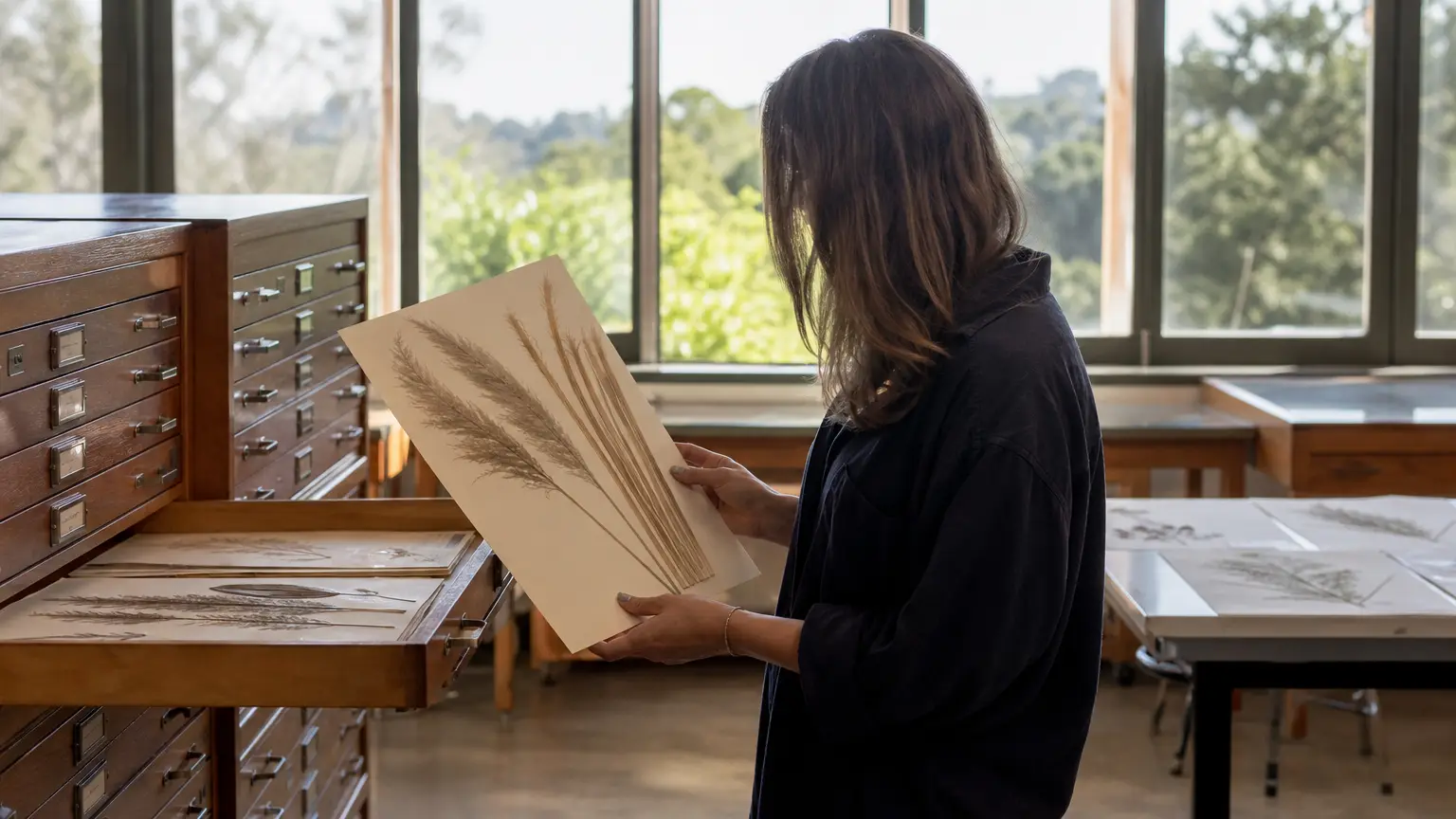
Ever wonder why some plants from far-off lands take over our Central Coast gardens while others just behave? A new study, covered by the Santa Barbara Independent, uses vast botanical data to finally answer Darwin’s old puzzle. The secret, it turns out, is written in our local climate. Plants that thrive as pests here are the ones whose native habitats closely match Santa Barbara’s mild, Mediterranean weather — meaning they’re already perfectly adapted to our dry summers and wet winters. For us in the 805, this isn’t just academic. It explains why invasive species like iceplant and pampas grass run rampant along our coast while other exotics fizzle out. The research, drawing on global data sets, helps land managers predict which new arrivals could become the next big headache for our local ecosystems. So next time you spot a suspiciously vigorous newcomer in your backyard or along the Gaviota coast, remember: the climate connection is key — and local scientists are on the case.