Will We Destroy the Planet That Sustains Us?
A Lifetime of Watching the Ocean Change
Bob McMillen has spent more than six decades diving in the waters off Santa Barbara, watching the California coast transform beneath the waves. What he's witnessed in those thousands of hours underwater has shaped his understanding not just of marine ecosystems, but of humanity's relationship with the planet that sustains us.
Writing in a recent opinion piece for the Santa Barbara Independent, the 85-year-old reflects on dramatic changes he's observed firsthand. When he first entered the water as a young diver, giant kelp forests covered vast stretches of the California coastline. Abalone were abundant. Marine life flourished in places that today bear little resemblance to what he remembers.
The Collapse of Underwater Forests
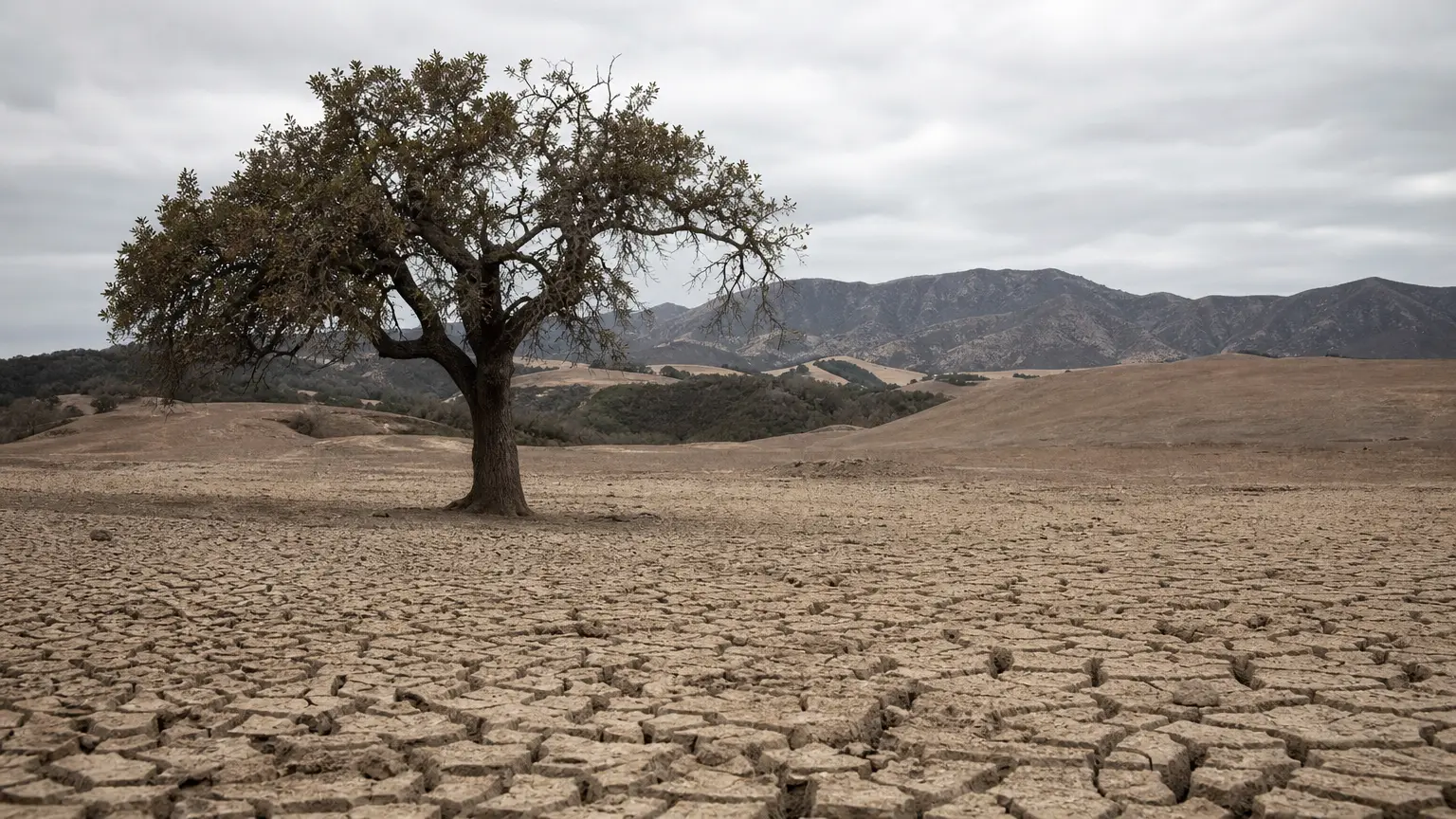
McMillen's observations align with scientific research documenting significant changes in California's marine ecosystems. Recent studies show that Northern California's kelp forests have declined by more than 95 percent, with most of that loss occurring between 2014 and 2019 following an unprecedented marine heat wave.
Local Santa Barbara Channel ecosystems have faced similar pressures. Research from UC Santa Barbara's Marine Science Institute shows how marine heatwaves have emerged as "disruptive forces in the kelp forest, threatening marine biodiversity and wild fisheries." These warming events create what scientists describe as a "stress test" for marine ecosystems, with consequences that appear to be very negative and happening rapidly.
The collapse hasn't been gradual. As McMillen notes, "Over the years I watched pollution take its toll in some areas, overharvesting in others, and more recently the collapse of ecological relationships that once kept marine environments in balance."
Beyond the Shoreline: Connecting Environmental and Human Crises
What sets McMillen's perspective apart is his recognition that environmental issues cannot be separated from economics, politics, immigration, or war. His decades of observation have taught him that "nature functions as a unique system. Every plant and animal plays a role. When enough pieces are removed or damaged, the effects eventually spread throughout the entire ecosystem."
This systemic thinking extends to human society. Climate change, McMillen argues, acts as a "force multiplier," making existing problems worse. When drought affects agriculture, food becomes more expensive and livelihoods disappear. When fisheries collapse, coastal communities suffer. When fresh water becomes scarce, competition increases.
Santa Barbara County faces many of these interconnected challenges. Local climate assessments show the region has experienced drought conditions for 62% of weeks since 2000, with 24% of those weeks classified as Extreme or Exceptional drought. The area is also vulnerable to increased wildfire risk, with climate change creating hotter, drier conditions.
A Call for Systemic Change
McMillen's message carries particular weight given his deep personal connection to the ocean and his advanced age. "I worry about it because I have children and grandchildren," he explains when asked why environmental issues matter to him at 85.
His concern extends beyond individual species or habitats. "What I have seen convinces me that protecting the environment is no longer simply about saving whales, forests, kelp beds, or endangered species. It is about protecting the foundation upon which human civilization itself depends."
The paradox he highlights is stark: humanity possesses remarkable intelligence and technological capability—we've walked on the moon, mapped the human genome, and created powerful computers. Yet despite these achievements, we continue to damage the natural systems that make our existence possible.
A Legacy of Witness
McMillen's decades of underwater observation provide a unique long-term perspective on environmental change. His account offers something increasingly rare: first-hand testimony of how dramatically our local marine environment has transformed within a single lifetime.
"Perhaps future generations will someday look back and wonder how a species capable of such extraordinary accomplishments could have been so careless with the planet that sustained it," he reflects. "I hope they never have to ask that question."
That hope, more than anything else, is why he continues speaking out—a voice from beneath the waves, warning us about the connections between the health of our oceans and the future of human civilization.
Reported by 805.life
Researched and written drawing on primary sources. Additional reporting: Santa Barbara Independent.
City
Santa BarbaraAdditional Reporting
Santa Barbara IndependentPublished
June 6, 2026
Reported and written by 805.life
Explore Santa BarbaraAll Santa Barbara NewsMore News from Santa Barbara
 Santa Barbara
A Tale of Two Villages
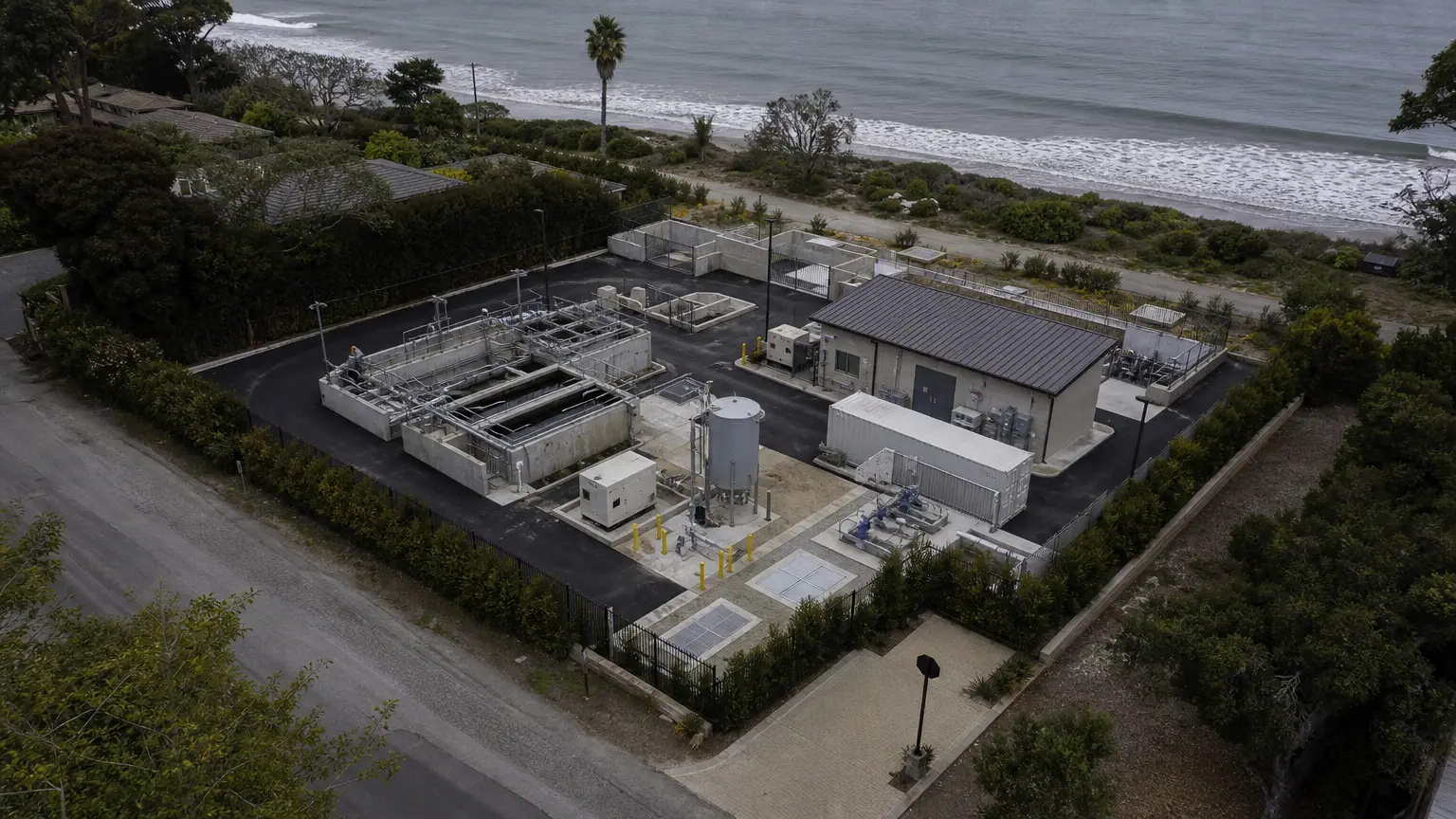
You might not think twice about the sewage plant on Padaro Lane, but beneath it lies a story that stretches back thousands of years. That facility sits atop Helo', once one of the largest Chumash villages on the South Coast — a sacred site that was paved over without recognition. Now, the proposed Mishopshno ocean protection area off Padaro and Summerland offers a chance to honor what remains. As reported by the Santa Barbara Independent, this marine sanctuary would protect the coastal waters that sustained the Chumash for generations, turning a story of loss into one of preservation. For those of us who live here, this isn't ancient history — it's a living legacy. The Chumash people are still here, and their cultural sites are part of our shared landscape. Supporting Mishopshno means acknowledging what was taken and protecting what's left. It's a small but meaningful step toward healing, and one that connects us more deeply to this beautiful coast we call home.
 Santa Barbara
Vast Botanical Data Help Solve Darwin’s Puzzle of Why Some Exotic Plants Become Pests
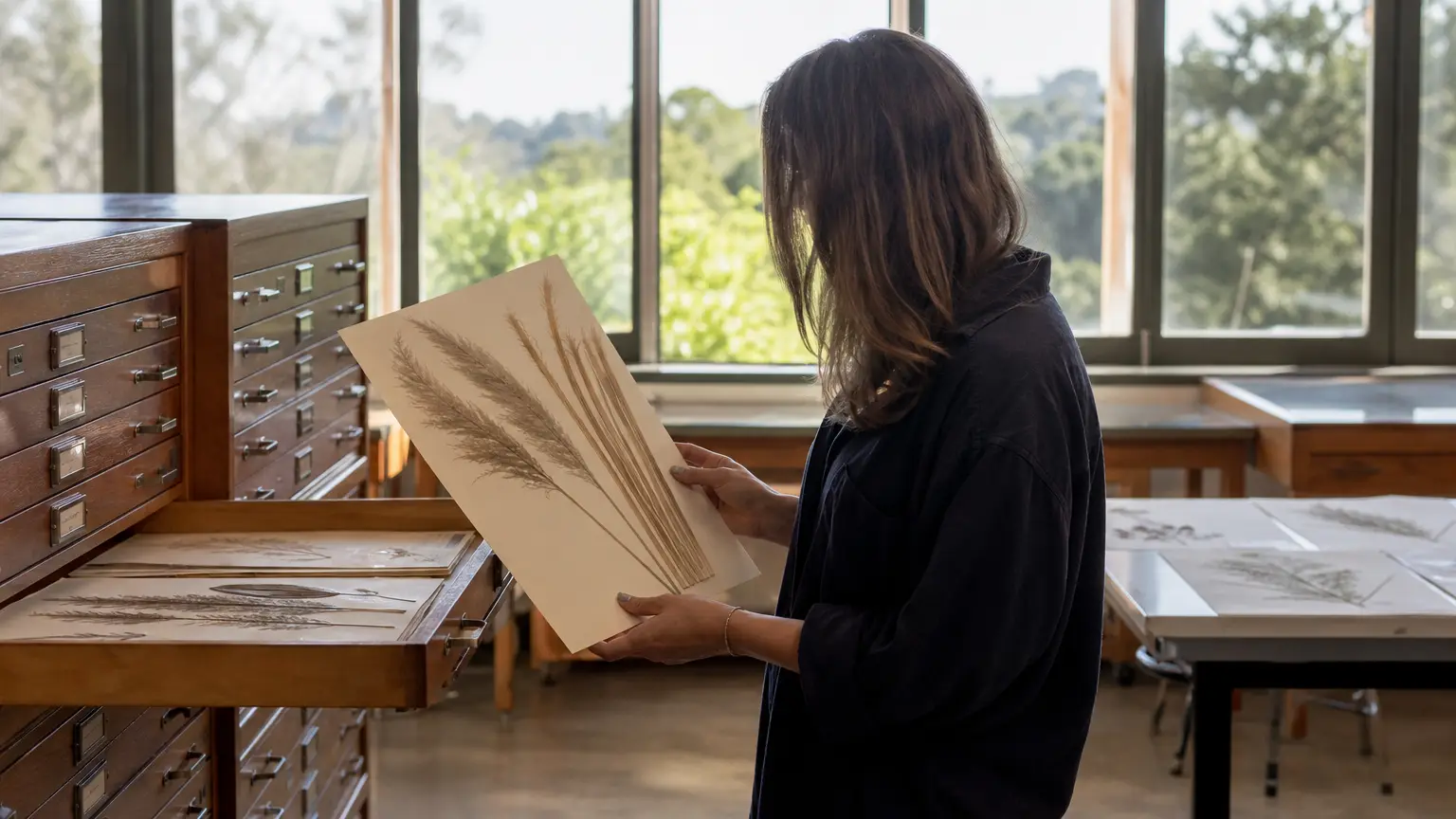
Ever wonder why some plants from far-off lands take over our Central Coast gardens while others just behave? A new study, covered by the Santa Barbara Independent, uses vast botanical data to finally answer Darwin’s old puzzle. The secret, it turns out, is written in our local climate. Plants that thrive as pests here are the ones whose native habitats closely match Santa Barbara’s mild, Mediterranean weather — meaning they’re already perfectly adapted to our dry summers and wet winters. For us in the 805, this isn’t just academic. It explains why invasive species like iceplant and pampas grass run rampant along our coast while other exotics fizzle out. The research, drawing on global data sets, helps land managers predict which new arrivals could become the next big headache for our local ecosystems. So next time you spot a suspiciously vigorous newcomer in your backyard or along the Gaviota coast, remember: the climate connection is key — and local scientists are on the case.
 Santa Barbara
Multiple Arrests Made in Fatal Shooting at Santa Barbara’s Bohnett Park
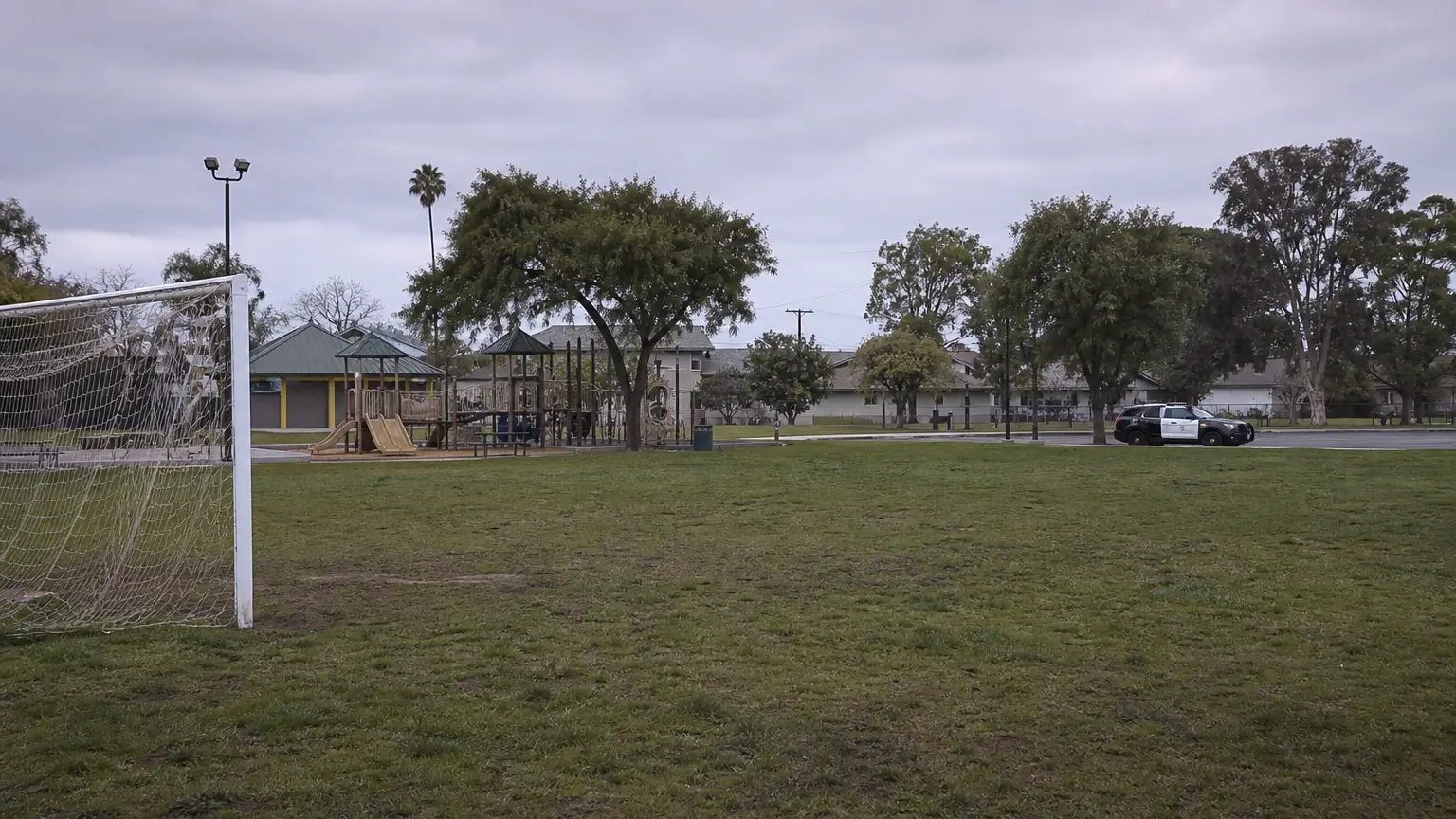
Santa Barbara is reeling after news broke that multiple arrests have been made in the fatal shooting of Luis Terrazas at Bohnett Park back in February. Terrazas, who had been previously implicated in a separate killing, was gunned down at the Westside park—a place many of us know for its sports fields and community gatherings. The Santa Barbara Independent reports that investigators have been working tirelessly on this case, and these arrests mark a significant step toward justice. For those of us who live here, Bohnett Park isn't just a dot on a map; it's where kids play soccer and families hold barbecues. This incident has shaken the Westside community, and many are left wondering about safety in our public spaces. The arrests bring some closure, but they also remind us of the ongoing challenges with violence in our city. Keep an eye on the Independent for updates as this story develops.