Book Review | ‘The Complete Notebooks by Albert Camus,’ Translated by Ryan Bloom
Santa Barbara Independent
May 1, 2026
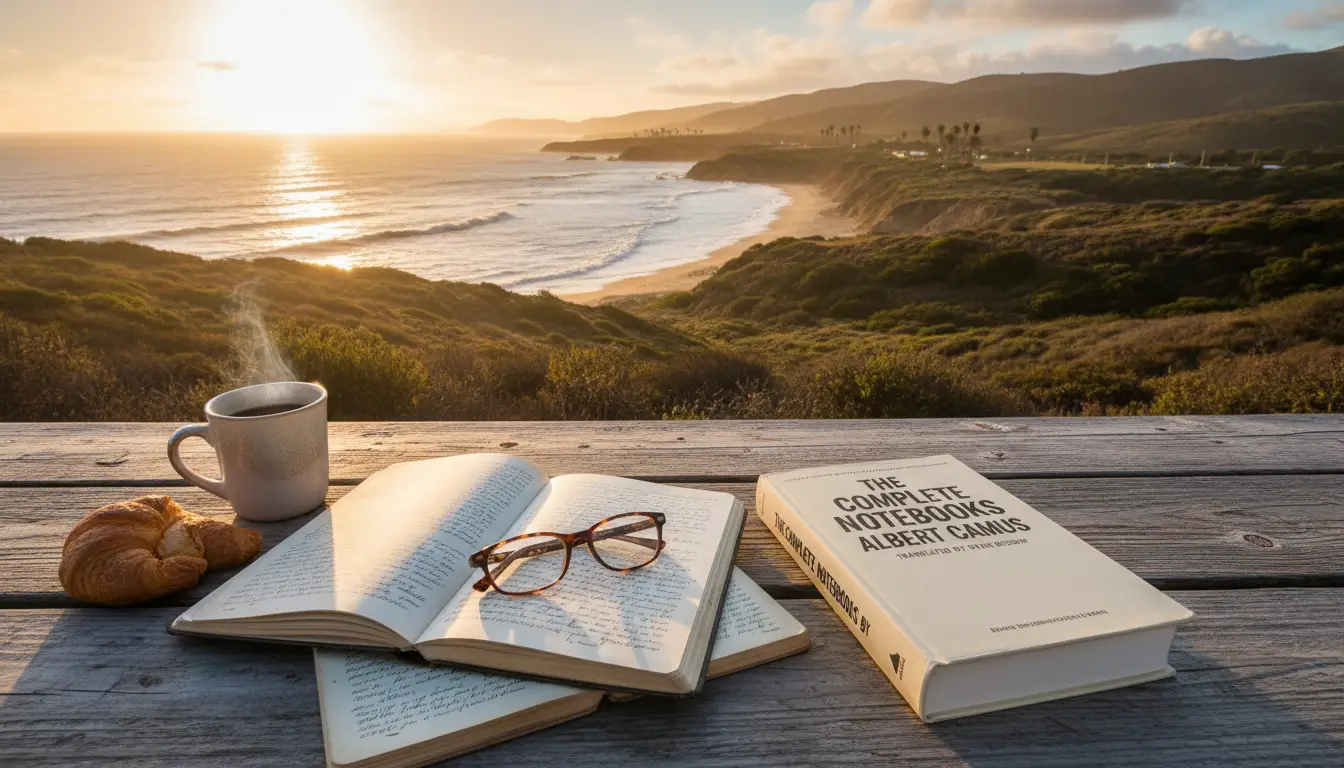
There’s something special about curling up with a book that feels like a quiet conversation with a brilliant mind, and according to the *Santa Barbara Independent*, that’s exactly what “The Complete Notebooks by Albert Camus,” newly translated by Ryan Bloom, delivers. Described as “a complete gem,” this collection gives us a rare, unfiltered look at Camus—the philosopher, the novelist, and the man who wrestled with meaning under the Mediterranean sun. For those of us in Santa Barbara, where our own coastline echoes that same light and existential calm, it’s hard not to feel a kinship with his reflections on beauty, rebellion, and the human condition.
What makes this review so timely for our community is how it reminds us that great literature isn’t just for dusty libraries—it’s for our morning coffee at Handlebar Coffee or a quiet afternoon at the Santa Barbara Public Library. Whether you’re a lifelong Camus fan or just dipping into his world, this translation feels like an invitation to slow down and think deeply, something our beachside town does so well. Pick up a copy, and you might just find yourself seeing our own sunsets a little differently.
This summary was written by AI based on the original article from Santa Barbara Independent.
City
Santa BarbaraPublished
May 1, 2026
AI-curated summary from local news sources
Explore Santa BarbaraAll Santa Barbara NewsMore News from Santa Barbara
 Santa Barbara
Will We Destroy the Planet That Sustains Us?
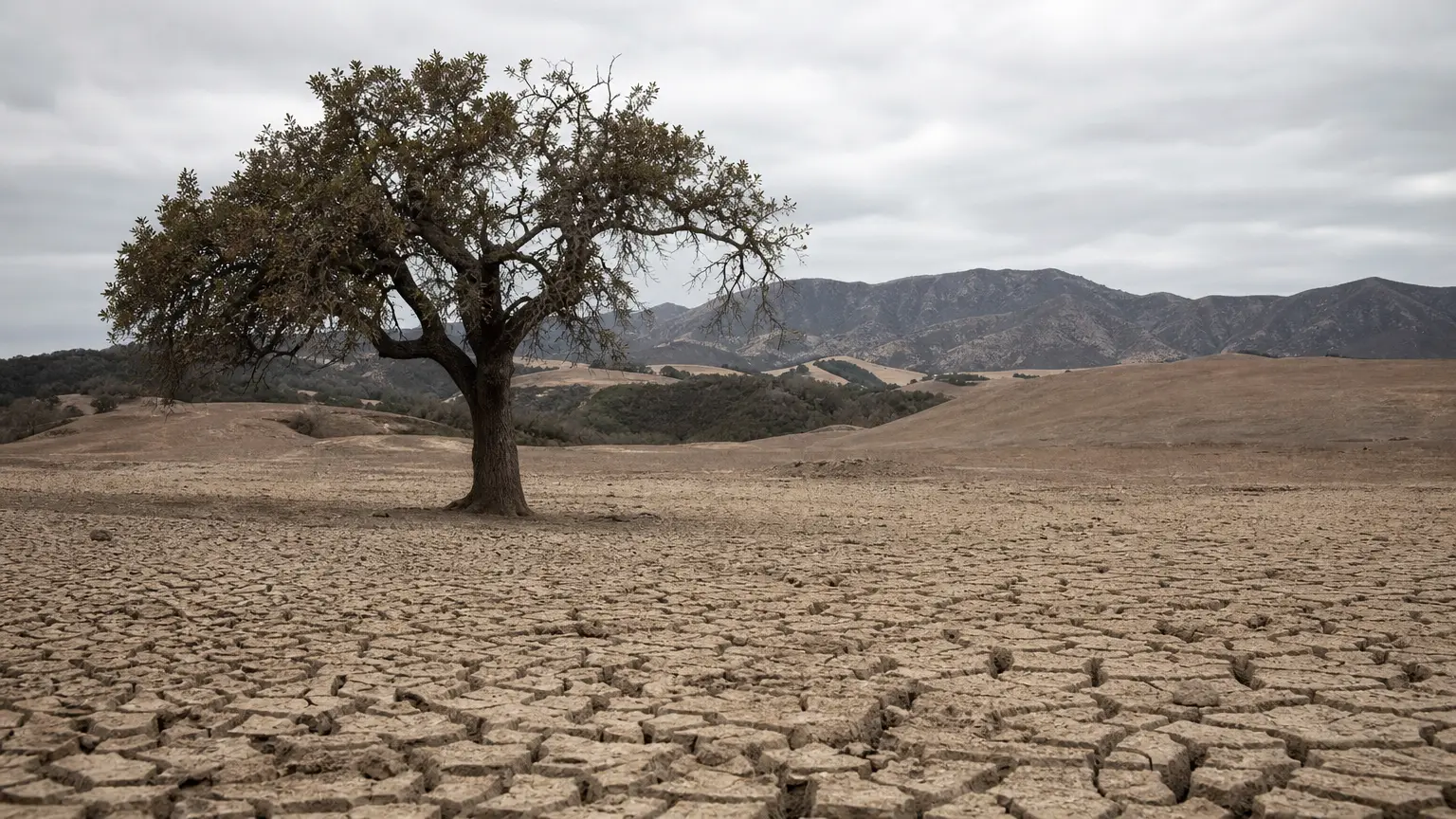
Climate change isn't just a distant headline anymore—it's here, in our backyard. A recent piece in the Santa Barbara Independent reminds us that the warming planet is acting as a 'force multiplier,' intensifying everything from wildfire seasons to coastal erosion along the 805. For us on the Central Coast, that means longer droughts, tougher farming conditions, and a more fragile local ecosystem. It's not just an environmental story; it's a community resilience story. We've seen it firsthand—the Thomas Fire, Montecito mudslides, and now hotter summers that test our power grid. This isn't about doom-scrolling; it's about local action. Whether it's supporting sustainable agriculture in Santa Ynez or advocating for smarter water use in Ventura, our choices shape the future. The Independent's piece is a call to notice how everything connects—our air, our ocean, our food. Let's not wait for the next crisis to act.
 Santa Barbara
A Tale of Two Villages
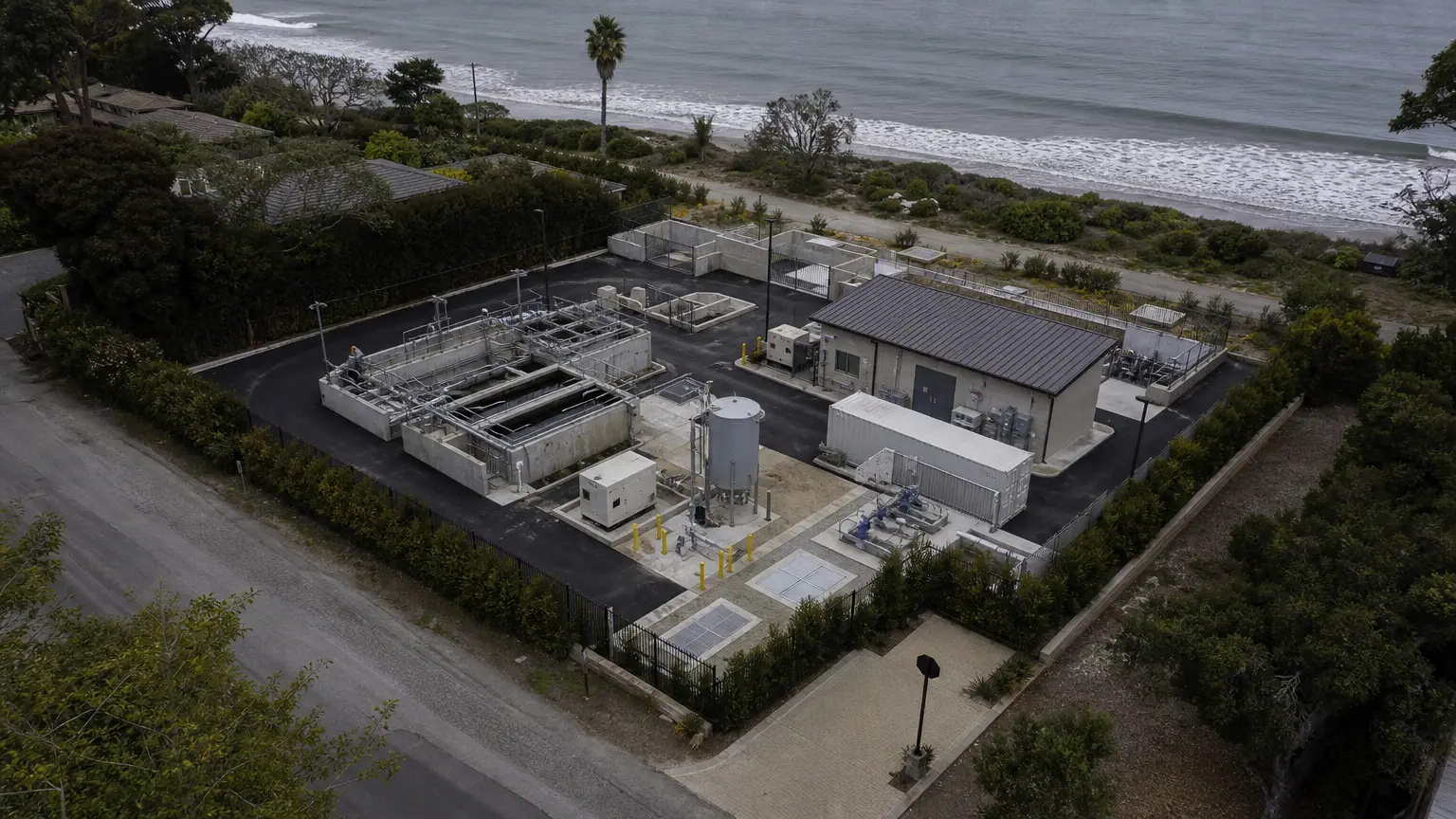
You might not think twice about the sewage plant on Padaro Lane, but beneath it lies a story that stretches back thousands of years. That facility sits atop Helo', once one of the largest Chumash villages on the South Coast — a sacred site that was paved over without recognition. Now, the proposed Mishopshno ocean protection area off Padaro and Summerland offers a chance to honor what remains. As reported by the Santa Barbara Independent, this marine sanctuary would protect the coastal waters that sustained the Chumash for generations, turning a story of loss into one of preservation. For those of us who live here, this isn't ancient history — it's a living legacy. The Chumash people are still here, and their cultural sites are part of our shared landscape. Supporting Mishopshno means acknowledging what was taken and protecting what's left. It's a small but meaningful step toward healing, and one that connects us more deeply to this beautiful coast we call home.
 Santa Barbara
Vast Botanical Data Help Solve Darwin’s Puzzle of Why Some Exotic Plants Become Pests
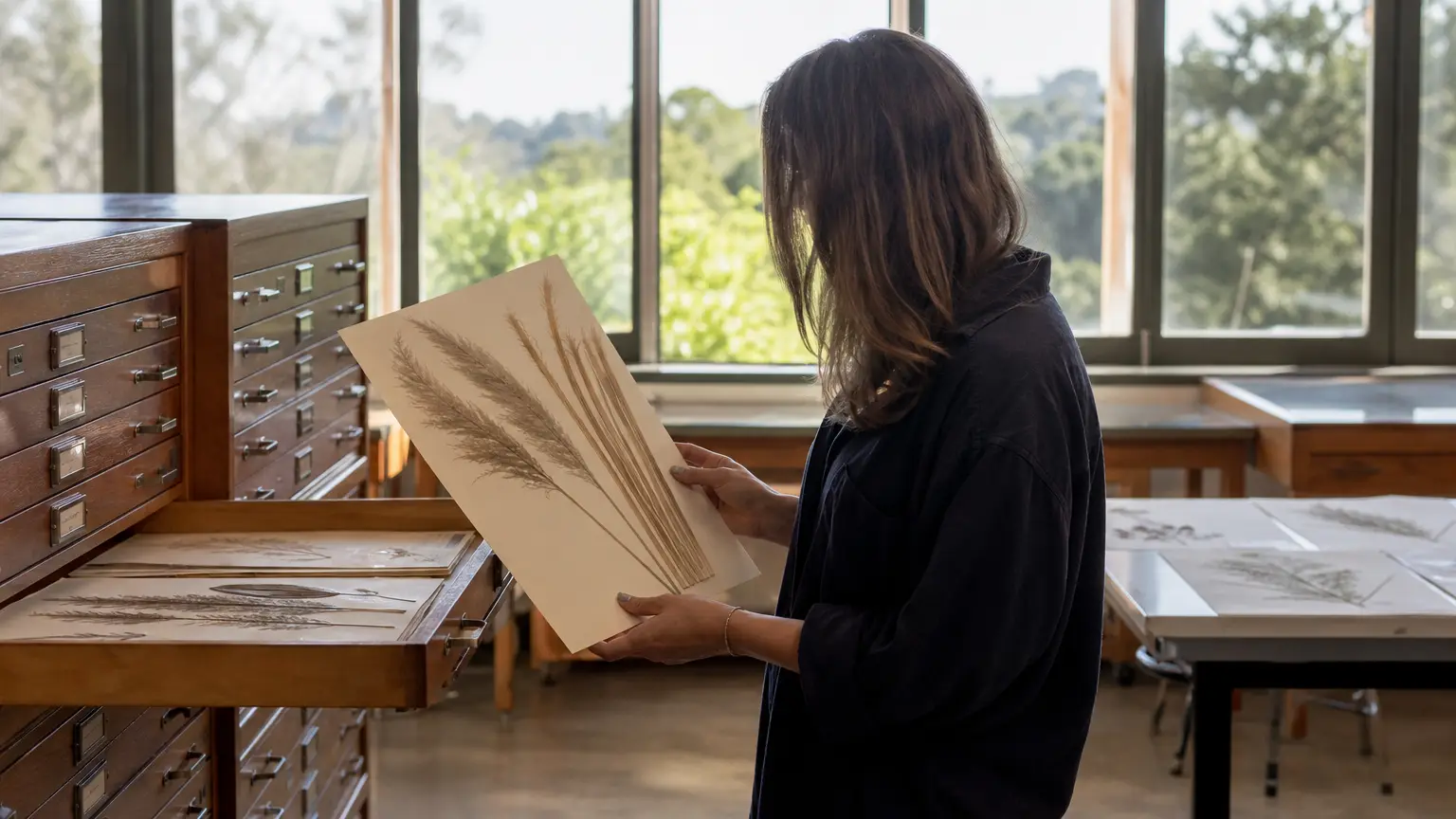
Ever wonder why some plants from far-off lands take over our Central Coast gardens while others just behave? A new study, covered by the Santa Barbara Independent, uses vast botanical data to finally answer Darwin’s old puzzle. The secret, it turns out, is written in our local climate. Plants that thrive as pests here are the ones whose native habitats closely match Santa Barbara’s mild, Mediterranean weather — meaning they’re already perfectly adapted to our dry summers and wet winters. For us in the 805, this isn’t just academic. It explains why invasive species like iceplant and pampas grass run rampant along our coast while other exotics fizzle out. The research, drawing on global data sets, helps land managers predict which new arrivals could become the next big headache for our local ecosystems. So next time you spot a suspiciously vigorous newcomer in your backyard or along the Gaviota coast, remember: the climate connection is key — and local scientists are on the case.