Santa Barbara Proposes Wildfire Suppression Fee in High-Hazard Areas
Coastal Neighborhoods Face New Wildfire Assessment
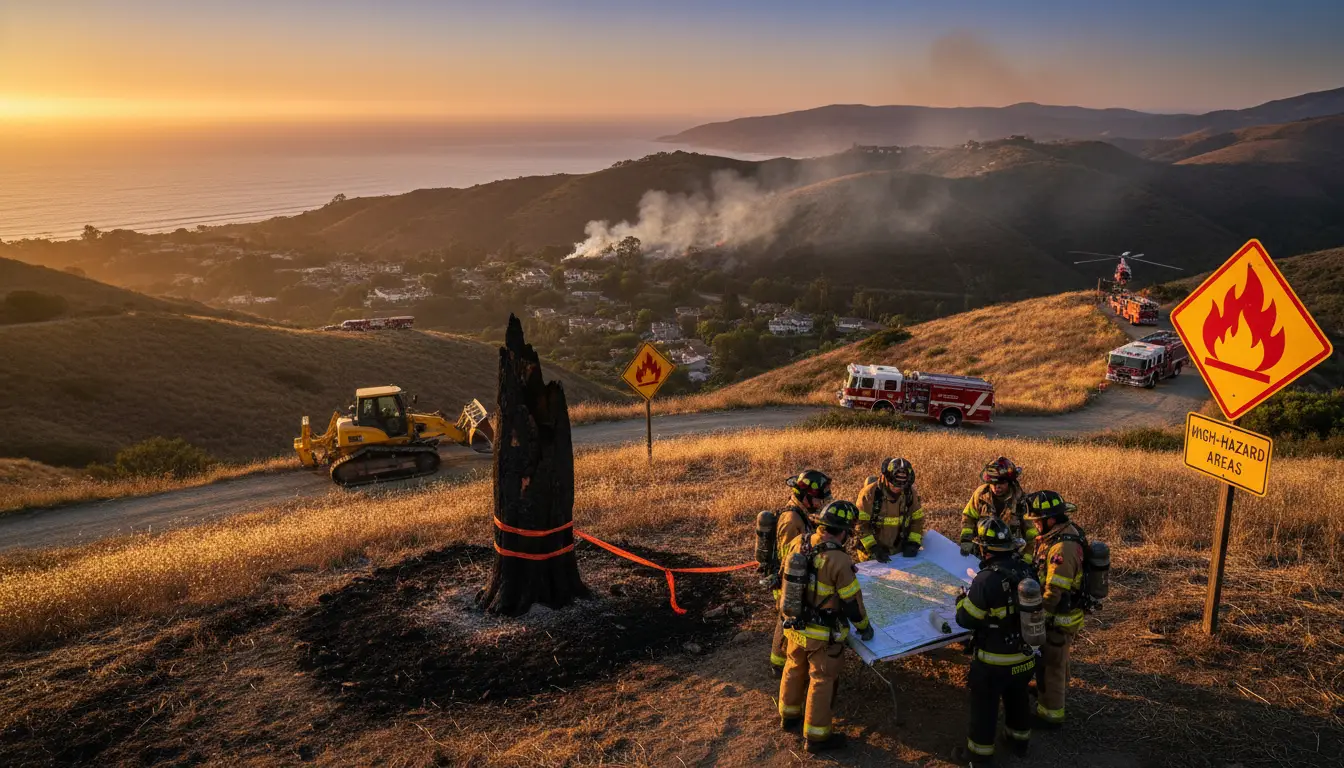
Santa Barbara property owners in high-risk coastal neighborhoods will decide whether to approve a new wildfire suppression fee by June 30, marking the city's second attempt to expand fire prevention services beyond existing foothill areas.
The proposed assessment would charge single-family homeowners $122.95 annually, with rates increasing yearly based on the consumer price index, capped at 4%. Multi-family units would pay $39.53 per unit.
Property owners in coastal and coastal interior high fire hazard zones around Elings Park, Douglas Family Preserve, Honda Valley Park, and Hilda McIntyre Ray Park received ballots this spring. The City Council will hold a public hearing on June 30 at 2 p.m. to count ballots and hear testimony before potentially approving the assessment.
Building on 2006 Foothill Model
The proposed coastal assessment mirrors Santa Barbara's existing Wildland Fire Suppression Assessment District, which property owners approved in 2006 for foothill neighborhoods. That program currently charges $82.20 for Foothill Zone homes and $101.93 for Extreme Foothill Zone properties.
The coastal assessment would fund three free annual home evaluations, roadside vegetation clearing, and free vegetation chipping services from the Santa Barbara City Fire Department. Fire Marshal Ryan DiGuilio said the goal is "to do more preventive work instead of scrambling when the next big fire happens."
"We're seeing that fires don't care what the calendar says anymore," DiGuilio told Noozhawk. "There is no more fire season. We just live in fire country."
Community Debate Over Funding Approach
The assessment has sparked debate over whether wildfire prevention should be funded citywide or by affected neighborhoods only. Dan McCarter, who attended a recent community meeting at Elings Park, argued that "this should be a city problem" because "the entire city benefits if there's a fire anywhere."
Fire Chief Chris Mailes defended the targeted approach as necessary triage, telling Noozhawk: "The reality is we can't" provide comprehensive city-wide services. "So we are triaging target hazard areas — areas that we, with common sense and intelligence, are saying, 'There's going to be a problem.'"
Lee Heller, who lives near Elings Park and supports the assessment, said climate change has shifted risk patterns. "It is really clear that these traditionally sort of urban coastal areas that felt like they weren't at risk of fire, that that's changed under climate change," Heller said.
Expanding Fire Prevention Infrastructure
The coastal assessment stems from Santa Barbara's broader wildfire preparedness efforts. In June 2025, the City Council approved $100,000 to develop the Coastal Wildland Fire Suppression Assessment District and updated fire hazard zone maps based on state recommendations.
The city's approach follows Proposition 218, passed in 1996, which allows property assessments to fund services and improvements that provide special benefits to assessed properties.
If approved by a majority of returned ballots, the assessment would join Santa Barbara's existing fire prevention infrastructure, which has served foothill residents for nearly two decades. The 2006 program has funded vegetation road clearance, defensible space chipping, and voluntary property evaluations in areas with the highest wildfire risk.
Next Steps for Voters
Property owners in the proposed assessment areas can submit ballots through June 30 or bring them to the City Council hearing. After public testimony, officials will count ballots and determine whether the assessment receives majority support needed for approval.
The hearing provides a final opportunity for residents to voice concerns or support before the council makes its decision on expanding Santa Barbara's wildfire prevention funding.
Reported by 805.life
Researched and written drawing on primary sources. Additional reporting: Noozhawk.
City
Santa BarbaraAdditional Reporting
NoozhawkPublished
June 1, 2026
Reported and written by 805.life
Explore Santa BarbaraAll Santa Barbara NewsMore News from Santa Barbara
 Santa Barbara
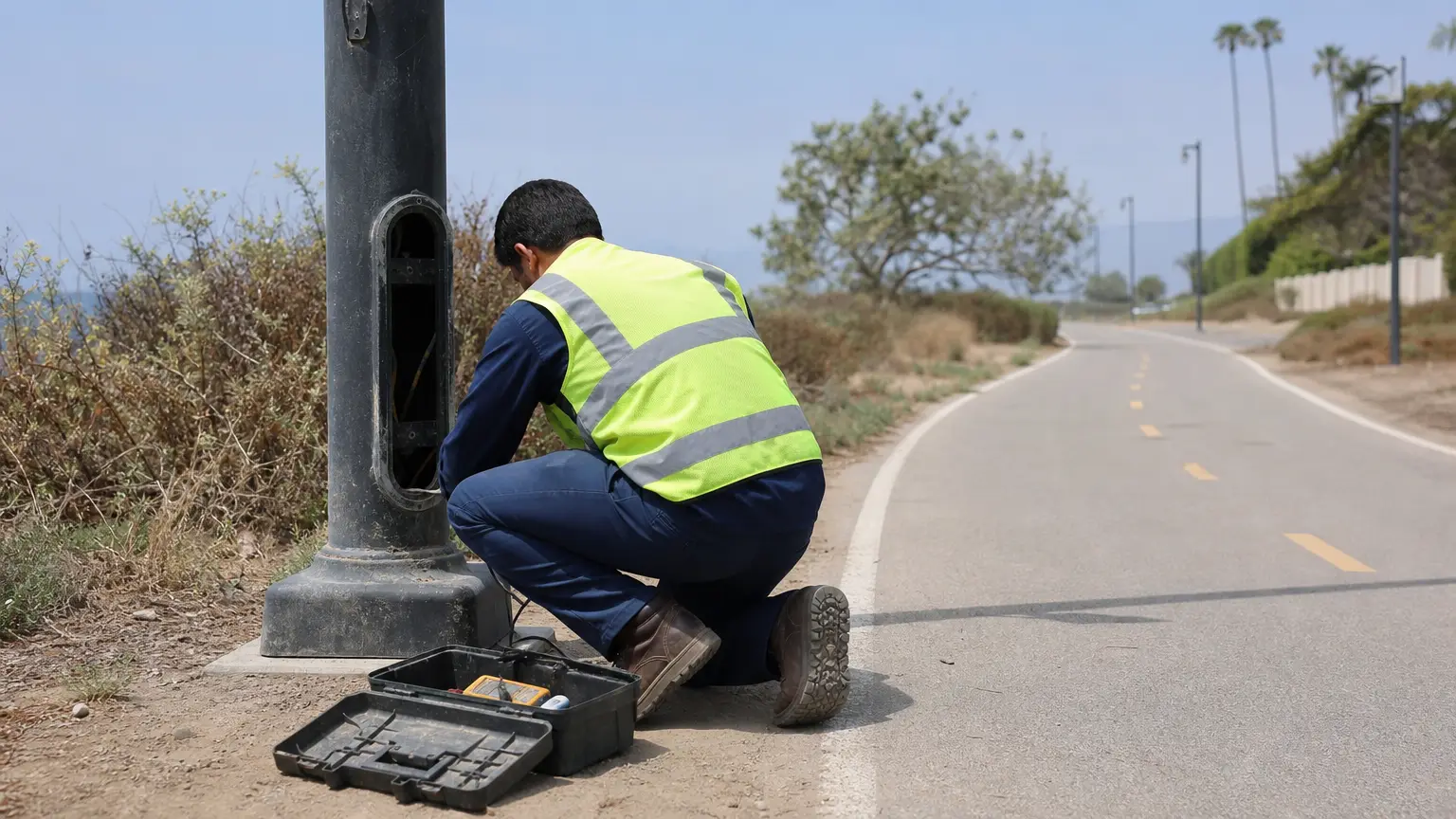
A Bike Path Light Deficit
If you've ever pedaled or strolled the Santa Barbara bike path after dark, you know the frustration of a dark stretch where a light should be. The Santa Barbara Independent reports that while the county has rolled out a new system to report those burned-out fixtures, the real problem isn't reporting—it's paying for the replacements. With budget constraints leaving many lights dark, this isn't just a nuisance; it's a safety concern for commuters, families, and evening joggers who rely on that path. For those of us in the 805, the bike path is a vital artery connecting neighborhoods from Goleta to Carpinteria. The new reporting labels are a step forward, but without funding for actual repairs, they're just stickers. Let's hope county officials hear our collective call for a safer, better-lit route before someone gets hurt in the dark.
 Santa Barbara
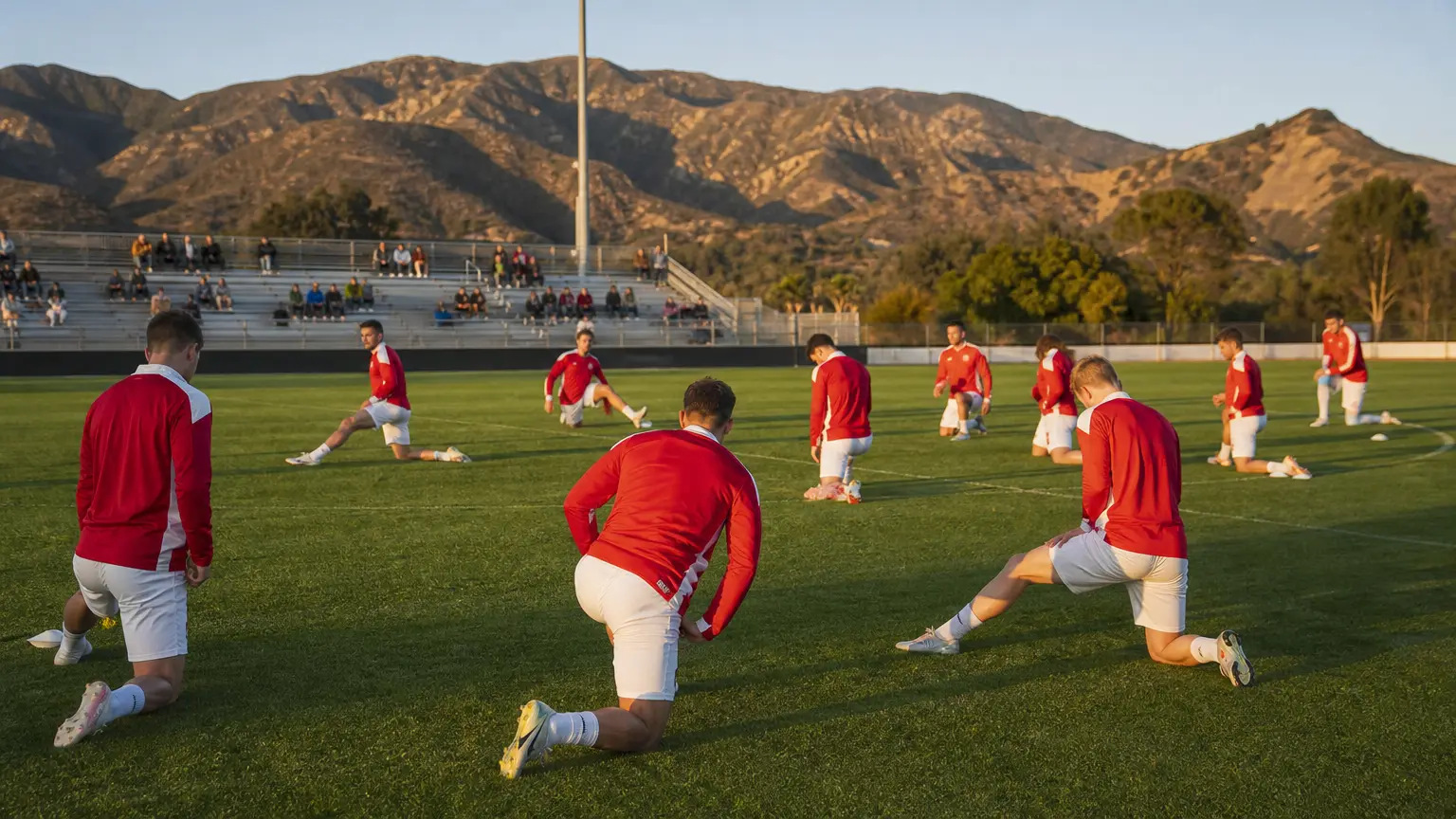
Austria’s World Cup Journey Begins in Goleta with Harder Stadium Training Session
Austria’s World Cup run is getting a Central Coast kickoff. The Austrian national soccer team has set up camp at Harder Stadium in Goleta for training sessions ahead of their World Cup opener against Jordan on Wednesday, June 17. It’s a rare treat for local soccer fans to see a World Cup squad preparing right in our backyard, with practices likely open to spectators. This is a big deal for the 805 region — not just for the international spotlight on UCSB’s pitch, but for the community pride of hosting a team on the world’s biggest stage. The Santa Barbara Independent first shared the news, and it’s a reminder that even in a small town, global sporting moments can feel personal. If you spot players around Goleta, give them a warm Central Coast welcome.
 Santa Barbara
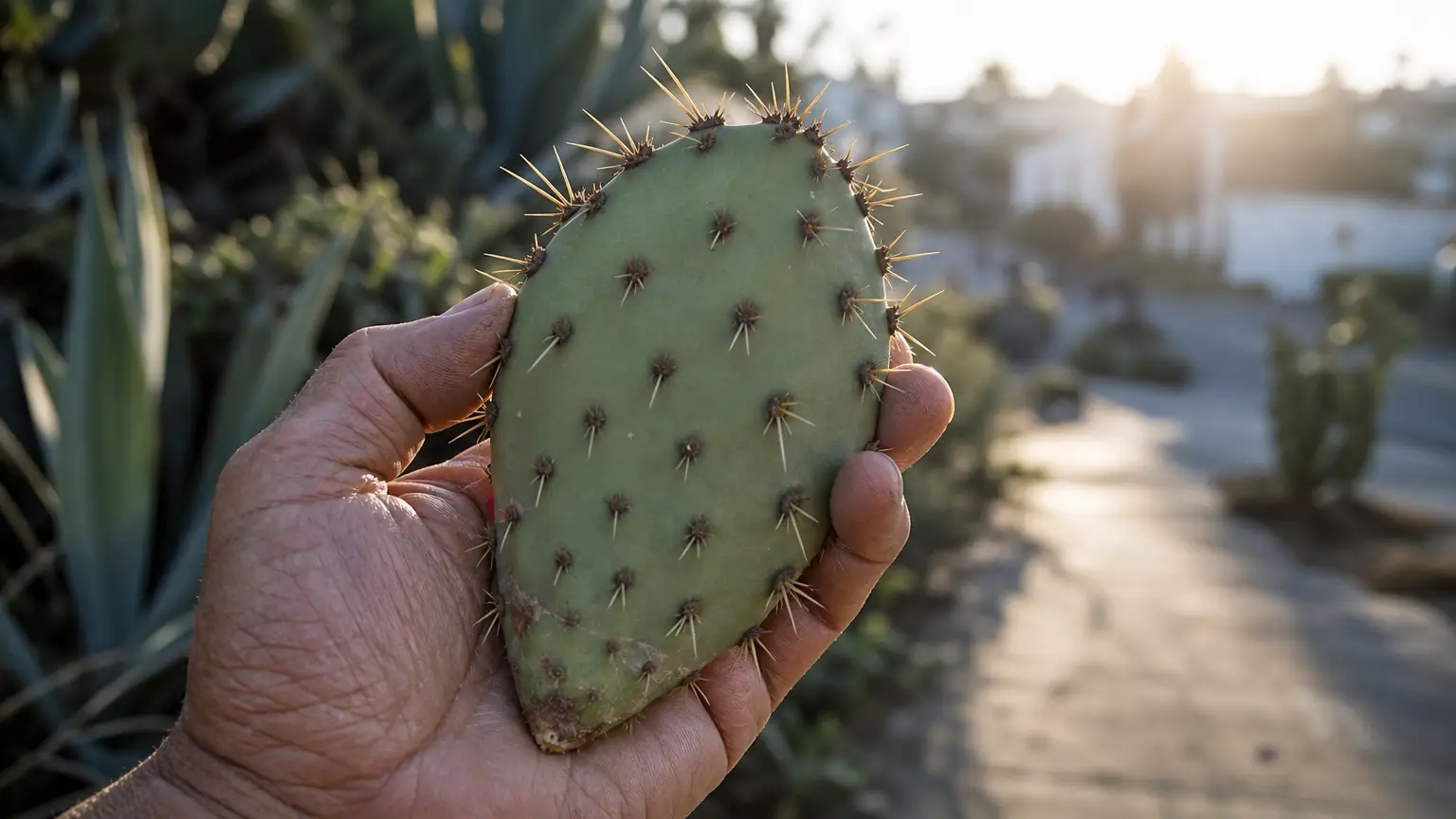
Radicalizing People Through Plants
Foraging isn't just about finding free food—it's a quiet act of resistance. That's the message Robin Greenfield brought to Santa Barbara last week, stopping through town as part of a larger mission to reconnect people with the wild edibles growing right under our noses. From prickly pear to purslane, Greenfield showed locals how the urban landscape is actually a pantry in disguise. As reported by the Santa Barbara Independent, Greenfield's visit was part foraging workshop, part philosophical talk—urging us to rethink our relationship with nature and consumer culture. For a community like ours, where farmers markets and farm-to-table are already beloved, this feels like a natural next step. Whether you're a seasoned forager or just curious about that strange weed in your backyard, Greenfield's message is a reminder that the Central Coast is rich in more than just views.